



Library / Watch / Think Autism Melbourne 2026

Practice, Think Autism Melbourne 2026
Three practitioners on how to tell a neuroaffirming provider from a label
In short
Asked what families and clients should look for, a Think Autism Melbourne panel pointed to booking systems, generic websites, unadapted therapy and how a therapist behaves when a client pushes back.
Read it instead, 5 minutesThe transcript
The story
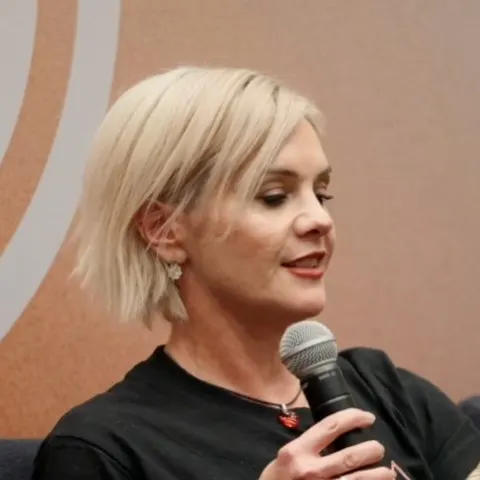
The practical question at the end of most debates about neuroaffirming care is the one a parent or a newly diagnosed adult faces with a list of search results in front of them. At Think Autism Melbourne, Dr Naomi Malone put it to her panel of practitioners directly. With the term on so many websites, she asked, what should parents, teachers, professionals and potential clients look for when choosing a provider, and what are the green flags and the red flags?
Shristi Chand began by moving the test away from what a practice says about itself. Neuroaffirming practice, she said, “isn’t something that should be in your bio”. A person should feel it in a practitioner’s presence and in how they show up. Her first green flag came before any session had started. It was the range of ways a client can make contact, and the flexibility around them. A practice cannot call itself affirming, she argued, and then offer a phone call as the only way to book an appointment. People need to be able to show up in the way they have capacity for.
Sign in to keep reading, listening and watching.
Sign in with your email and everything in the Library is open to you: every story, every talk and every episode. It is free and it always will be. If you can, a donation helps keep it free for everyone.
Sources the story draws on
- Guidelines for Selecting a Neurodiversity-affirming Mental Healthcare Provider (opens in a new tab), Reframing Autism (Australia)
- Autism spectrum disorder in adults: diagnosis and management (CG142) (opens in a new tab), National Institute for Health and Care Excellence (NICE), United Kingdom
More from Think Autism Melbourne 2026
All 48-
 3 minutes 51 seconds, captioned A practitioner warned that neuroaffirming practice loses its point once written as rules Dani Bultitude Asked how to separate neuroaffirming practice from the label, the first practitioner to answer at Think Autism Melbourne took aim at policy language, and named Thriving Kids as the risk.
- 2 minutes, captioned Schools are unprepared for supports moving into community settings, a practitioner warned Shristi Chand A teacher of ten years turned practitioner told Think Autism Melbourne that schools were about to be handed work they had not been trained for, inside a system that measures performance over impact.
- 3 minutes 59 seconds, captioned Neurodivergent practitioners argued autistic clients need therapists who are not blank slates Ben Simmons At Think Autism Melbourne, neurodivergent practitioners challenged the professional rule that therapists should not talk about themselves, arguing that disclosure is often what makes an autistic client feel safe.
- 5 minutes 28 seconds, captioned Autism or trauma is the wrong question, a Think Autism panel argued Think Autism Melbourne 2026 At Think Autism Melbourne, practitioners rejected the diagnostic habit of asking whether a client’s difficulties come from autism or from trauma, and raised what happens when a client’s language has no word for neurodiversity.
- 2 minutes 47 seconds, captioned An audience member asked for a tick of approval for neuroaffirming practices Think Autism Melbourne 2026 At Think Autism Melbourne, a late diagnosed woman proposed that practices should have to prove they are neuroaffirming. An autistic counsellor then said counselling had no such requirement at all.
- 8 minutes 17 seconds, captioned How practitioners reach young people who do not want to do the work Think Autism Melbourne 2026 A parent at Think Autism Melbourne asked how therapists get vulnerable young people to open up. Two practitioners answered with regulation before talk and with the uses of natural consequences.