



Library / Watch / Autistic Pride Day Symposium 2024
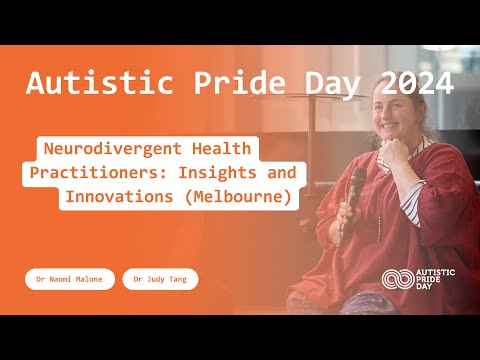
Argument, Autistic Pride Day Symposium 2024
Naomi Malone said allies could meet autistic people halfway across the bridge
In short
Asked in Melbourne in 2024 whether practitioners need lived experience of autism, Dr Naomi Malone said it was valuable but not essential, and offered an image of allies on a bridge. Kyriakos Gold replied that autistic people had walked it all.
Read it instead, 4 minutesThe transcript
The story
Whether a practitioner needs lived experience of autism to do the work well came up within minutes of the opening panel on the Melbourne day of the 2024 Autistic Pride Day Symposium, on 8 June 2024. A speaker mentioned intense discussions on TikTok with practitioners who may be neurotypical about the importance of lived experience. The question then went to Dr Naomi Malone directly, whether it was that important.
Malone’s answer left room for non autistic practitioners. Lived experience was really valuable, Malone said, but not essential, provided a practitioner was really willing to know, understand and connect. There were, Malone said, some magnificent neurotypical allies who were fully on board. It was helpful to have lived experience, and important that autistic voices were heard and always part of the conversation.
Sign in to keep reading, listening and watching.
Sign in with your email and everything in the Library is open to you: every story, every talk and every episode. It is free and it always will be. If you can, a donation helps keep it free for everyone.
Sources the story draws on
- Autistic peer-to-peer information transfer is highly effective (opens in a new tab), Autism (Catherine J. Crompton, Danielle Ropar, Claire V. M. Evans-Williams, Emma G. Flynn and Sue Fletcher-Watson); Queen's University Belfast research portal record
- What you need to know about the government's first National Autism Strategy (opens in a new tab), Australian Psychological Society (Insights)
- Release of the National Autism Strategy 2025-31 (opens in a new tab), Department of Social Services (Australian Government)
More from Autistic Pride Day Symposium 2024
All 94-
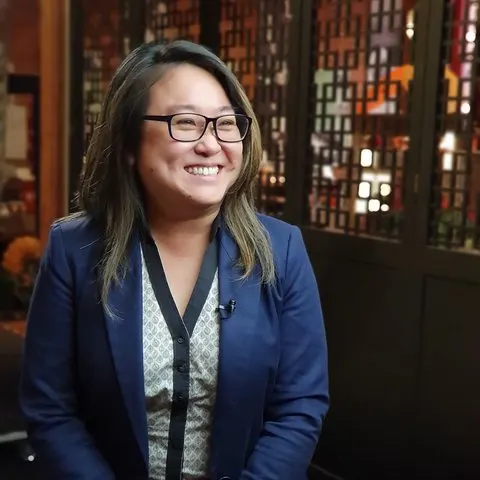 1 minute 45 seconds, captioned Mental health professionals had a lot of unlearning to do, Dr Judy Tang said Dr Judy Tang On the Melbourne day of the 2024 Autistic Pride Day Symposium, the neuropsychologist named the diagnostic checklist as part of what she had to unlearn. A practitioner on the panel located innovation in that unlearning.
-
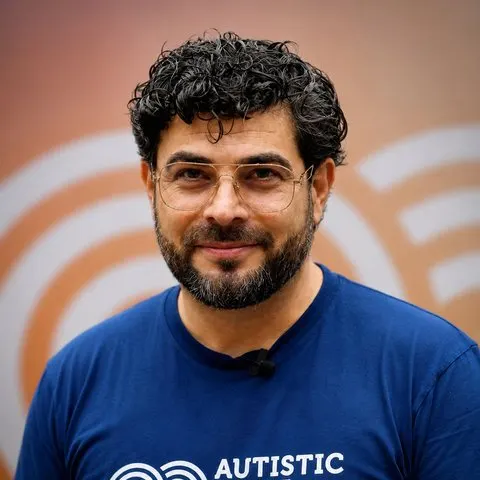 4 minutes 59 seconds, captioned Two psychologists told the symposium they would rather talk about support than treatment Kyriakos Gold, Dr Judy Tang and 1 more When Kyriakos Gold told a Melbourne panel in 2024 that he did not want to be treated, Dr Judy Tang and Dr Naomi Malone explained why their professions were moving away from the word.
- 9 minutes 53 seconds, captioned A practitioner said autism assessment had more entry points but no gold standard Kyriakos Gold At the 2024 Autistic Pride Day Symposium in Melbourne, practitioners defined holistic care, said neuroaffirming practitioners were getting easier to find, and named what the system still lacked.
- 11 minutes 30 seconds, captioned Profound autism, unheard carers and the fight over who is really autistic Kyriakos Gold, Dr Judy Tang A question about profound autism at the 2024 Autistic Pride Day Symposium in Melbourne drew a warning about consensus, a defence of carers, and a live account of what the term did to Kyriakos Gold.
-
 6 minutes 30 seconds, captioned Sharon Zivkovic said autistic expectations had risen and called it a social movement Dr Sharon Zivkovic, Christina Chun Opening the closing session of the 2024 Sydney symposium, Dr Sharon Zivkovic said the bar for future autistic lives had been raised in two years. Participants then described what the two days had meant to them.
- 3 minutes 44 seconds, captioned Stigma is the biggest barrier to autistic employment, Sandra Thom-Jones argued Sandra Thom-Jones At the 2024 Autistic Pride Day Symposium, the researcher told an employment panel that autistic people lose out at every stage of work because of what others believe about them.