
Allyship is a verb. Not a badge.
Allyship is something you do. It is not something you are.


Comfort settings
Change how the site looks, reads and moves. Your choices are saved on this device.
Colour
Appearance
Text size
Autistic Pride Day 2026, the current campaign
Allyship is something you do. It is not something you are.
You have not become Autistic. You have always been Autistic. What has changed is that you now have a word for it, and a community, and a way of reading your own life.
Autism prevalence is often quoted as one in a hundred, one in seventy, one in forty four, depending on who you ask and where they are counting. The numbers vary. They are not the story.
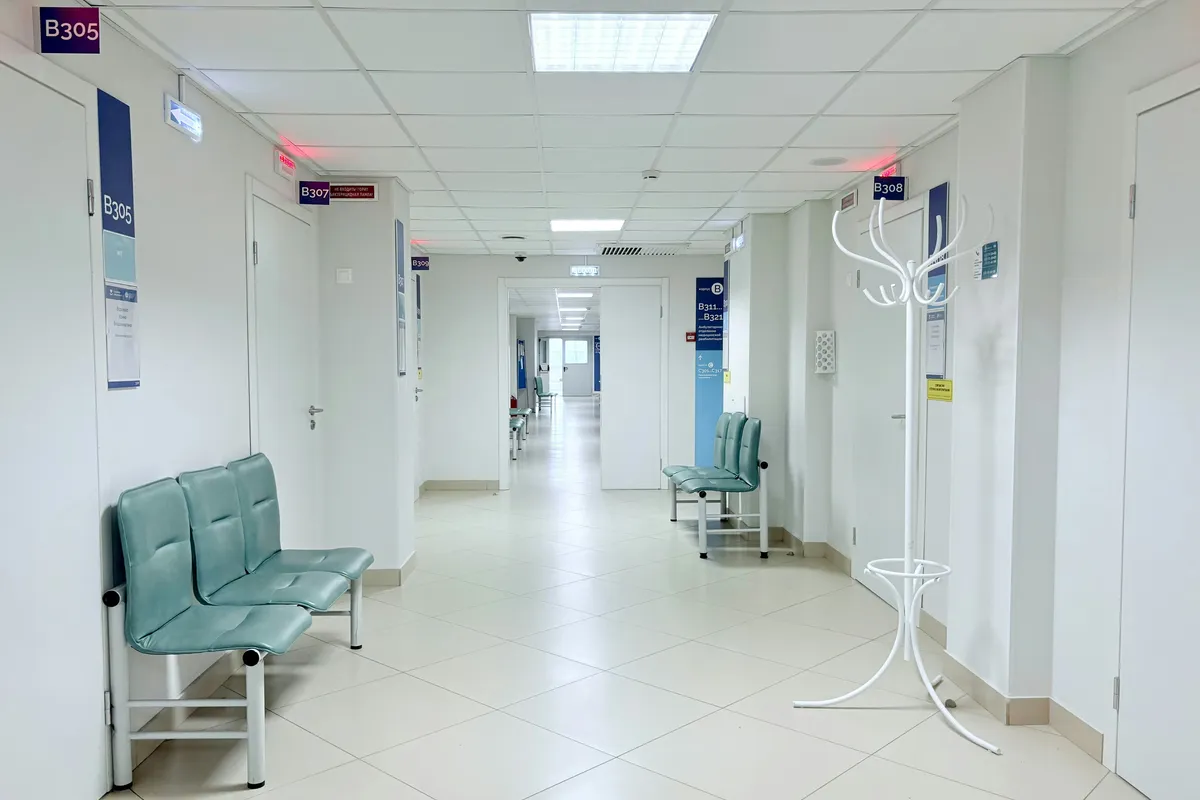
If you are Autistic and you have had a bad experience in a medical setting, you are not unusual. You are in the majority.
The late diagnosis cohort is moving into its fifties, sixties, seventies, and the public conversation about autism has not caught up.
We’ve run Think Autism four times now and I still can’t predict how the day will go.
Most Autistic adults carry some version of school trauma. The setting failed us early, and it failed us consistently, and many of us did not recover the relationship with learning that we might otherwise have had.
Originally created on 18 June 2005 by autistic led advocacy group Aspies for Freedom, Autistic Pride Day was built as a day for autistic people to define themselves on their own terms.
Most advice about parenting an Autistic child is written for the parent’s anxiety, not the child’s life. The advice tends to be procedural. What to do when they melt down. How to get them to eat.
There are a lot of books written about parenting an Autistic child. There are very few books written about being a parent who is Autistic. The two are different topics.
When an Autistic child plays alone, someone usually writes it down as a concern. The same child, absorbed and happy, alone by choice, looking for something specific in a toy no one else noticed. That is not a deficit.
Some of us do not speak. Some of us spoke once and do not anymore. Some of us speak on good days and not on bad ones. Some of us speak in some contexts and not in others.
A large proportion of Autistic people do not sleep well. The figure is sometimes quoted at sixty to eighty percent.
Where the campaign happens every day.